


The magic of herbs
Hardly any garden can do without them: Herbs
They add the finishing touch to dishes. Rosemary potatoes from the oven, herb butter for the barbecue or the popular Frankfurt sauce with a whole bunch of herbs. People have been using them for thousands of years - as a spice in food, as a remedy, for dyeing or, in earlier times, in rituals and customs to invoke the favor of the gods. People once passed on their knowledge from generation to generation.
Researchers assume that medicinal plants were already being used more than 50,000 years ago. The first written evidence is 4600 years old and comes from Mesopotamia. In the past, people simply tried out the effects of herbs and observed what helped with certain symptoms - or not. Bold from today's perspective, but without our scientific means of analysis, this was the only way to discover the effectiveness of medicinal plants.
Written records helped people to pass on their knowledge. The Egyptians filled many papyrus scrolls and the Greek and Roman healers also wrote down their recipes for tinctures, ointments and teas.
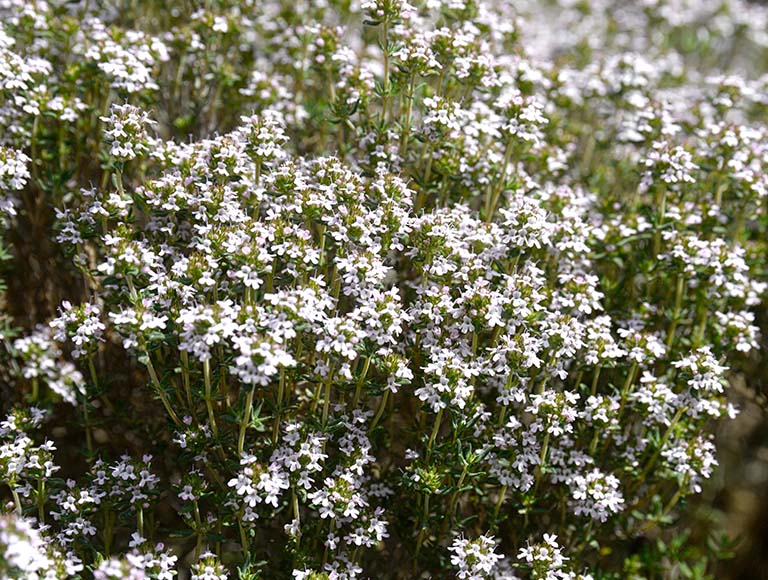
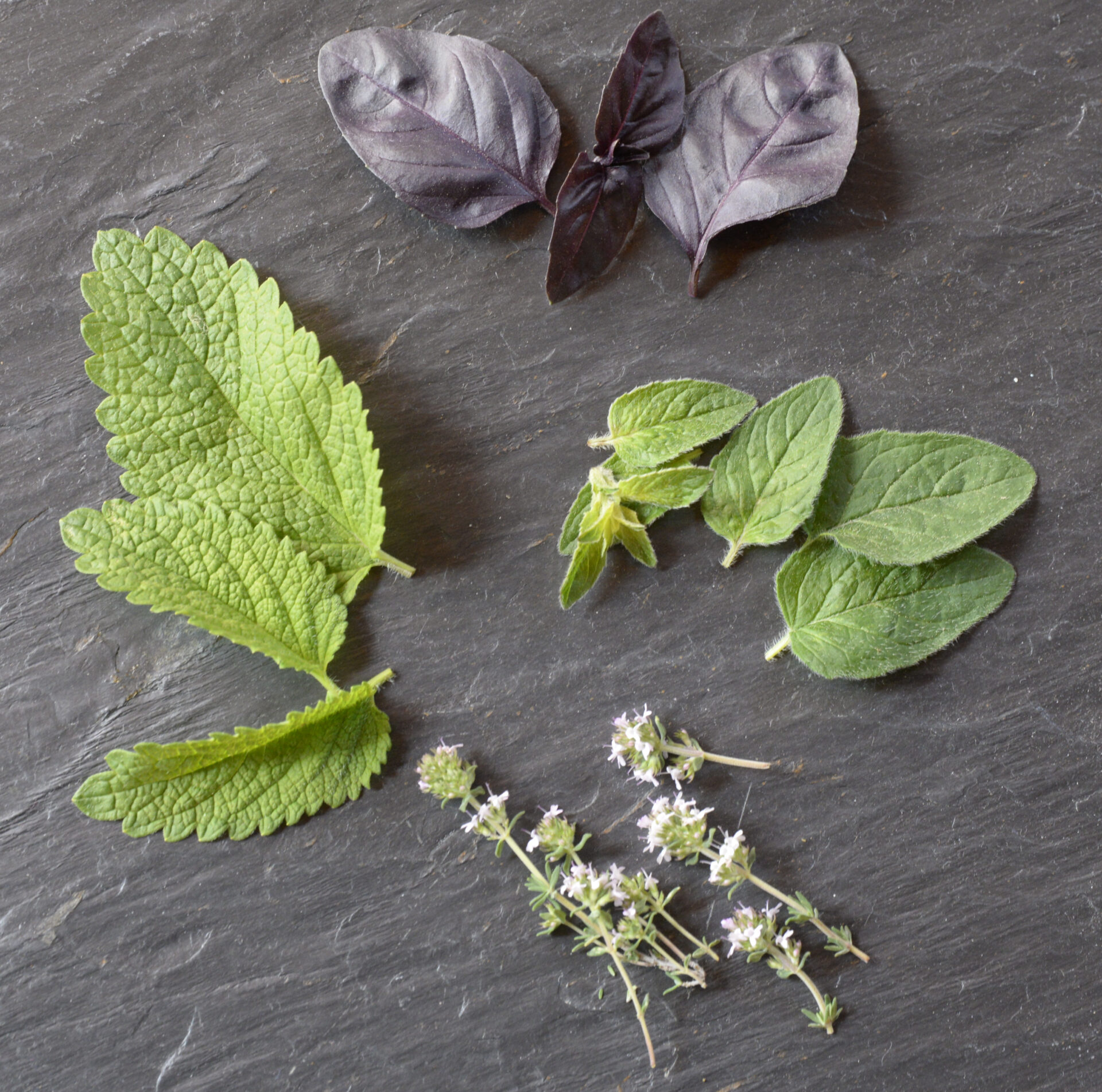
Thyme
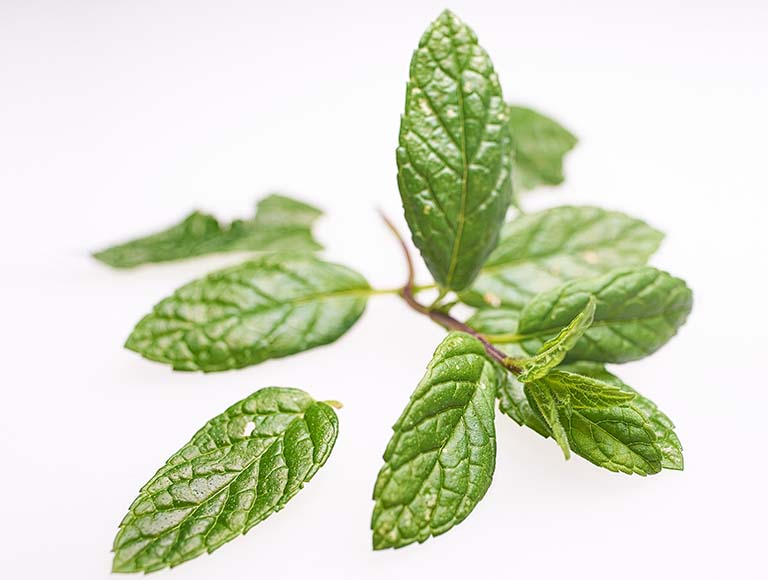
Mint
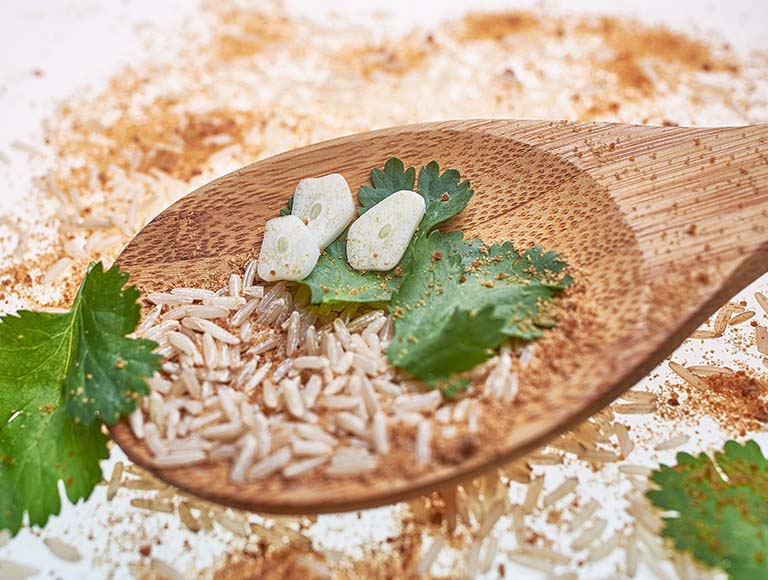
Coriander
The knowledge of nuns and monks
One of the most famous physicians of this time is the Greek doctor Hippocrates, who left his knowledge to posterity in his collection "Corpus hyppocraticum". People still collected herbs in nature. The nuns and monks - above all the Benedictines - eventually cultivated the plants in their monastery gardens. They had an extensive knowledge of herbs and their healing effects, even if their knowledge does not always stand up to today's scientific findings. But much of it still applies today: sage, for example, helps against inflammation and stimulates digestion. Lovage stimulates the appetite - but whether the herb also protects against witches and dark forces is for everyone to judge for themselves. Horsetail, on the other hand, was also used by the monastery inhabitants as a cleaning agent for their pewter dishes. The dyer's chamomile, for example, is suitable as a dye for strong yellow tones. Dyer's broom was not only used to dye fabrics but also handmade paper and hollyhock was used as a dye for tea and wine.
Hildegard von Bingen was not only one of the most important mystics of her time, she also wrote numerous medical texts in the middle of the 12th century. She described medicinal plants and explained their effects. St. John's wort and lavender are still used today as sedatives and mallow has an expectorant effect. Insect bites can be soothed quickly and easily: simply rub a leaf of ribwort or broadleaf plantain between your fingers and apply to the painful area.
Season with herbs
The world of herbs is a magical world - and not just in terms of the healing properties of individual plants. Seasoning with herbs is not only healthy, it also tastes delicious. The restaurateurs of the Eifel know this too, who like to use herbs in their dishes to add the finishing touch.
All it takes to bring these delicacies to the table is a walk in the countryside. Because many things that grow inconspicuously by the wayside are edible and stimulate the taste buds.
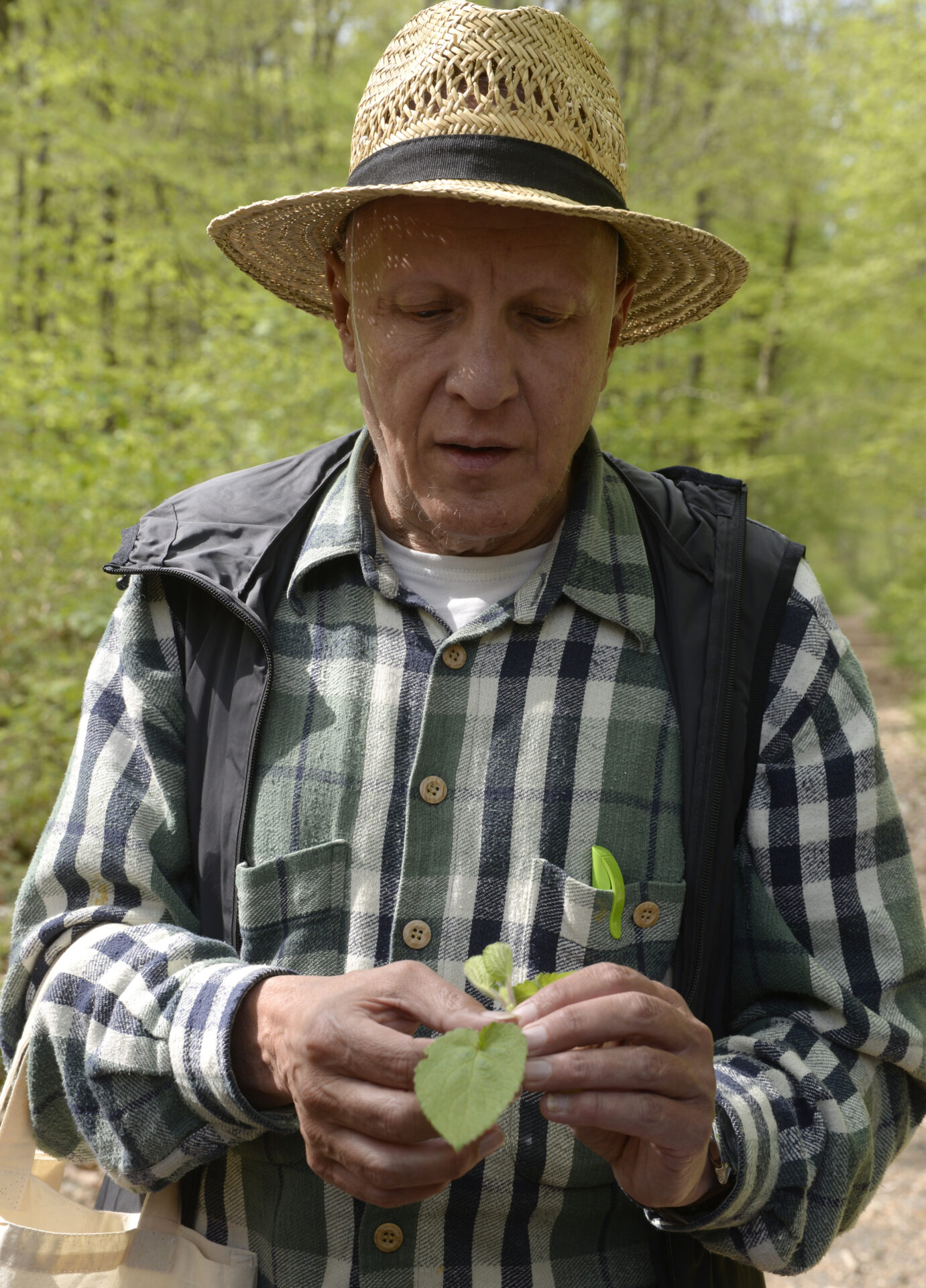
Dr. Lutz Neitzert from Neuweid-Oberbieber is a herb expert who passes on his knowledge during herb walks. "Nature is exciting," he enthuses. He can't understand why goutweed has such a bad reputation, "it's so tasty". So if you can't master the supposed weed in your garden: Just add it to your salad! The fresh leaves of the beech can also be added to the salad, as they are edible.
Spruce and fir tips also taste good, while yew is poisonous. A little caution is sometimes necessary when collecting them. Neitzert has a tip for the newcomers among herb lovers: the apps for plant recognition are now very good. So get out into nature and explore the edges of meadows and forests.
Letting nature grow
Christian Havenith not only runs the multi-purpose nursery in Wassenach, but is also a proven expert when it comes to herbs. He works a lot with ancient herbs. He will soon be publishing a Celtic cookbook. The herb educator and biologist knows that the Romans used to flavor their wine with herbs. "The wine back then tasted different to today". Mint and meadowsweet, among other things, found their way into amphorae. The Celts were inspired by this as early as 500 BC and also added woodruff - a forerunner of today's well-known May punch, in which woodruff is also one of the main ingredients.
If you want to expand the natural diversity of plants in your garden, Havenith gives simple advice: you don't need to sow extra herbs, just leave a small area in the garden to itself and see what grows there. It could be a little experiment for the whole family. A course with a herb expert or an identification book is a good basis for identifying herbs. In any case, it is exciting to see what grows on your own land - wild bees and other insects are delighted with the variety.